Second Amendment News: The Top 5 Gun Rights Stories of the Week (June 2026)
This week’s Second Amendment news ran in one direction: toward the gun owner. The Justice Department opened a fresh civil-rights probe, a red-state attorney general refused to defend a gun control law on his own books, and the Supreme Court sat one ruling away from reshaping concealed carry nationwide. Blue states pushed back with new restrictions, but even those moves read like rear-guard actions. Here are the top five gun rights stories of the week, what each one means, and why they fit together.
Last updated: September 22, 2026 · Originally published June 11, 2026
1. DOJ Opens a Civil-Rights Probe Into Philadelphia Gun Permit Revocations
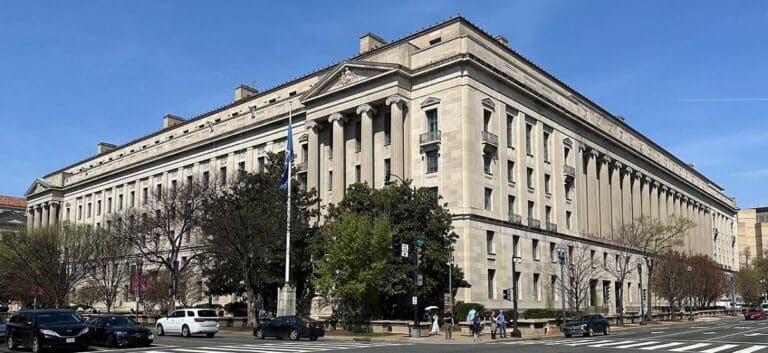
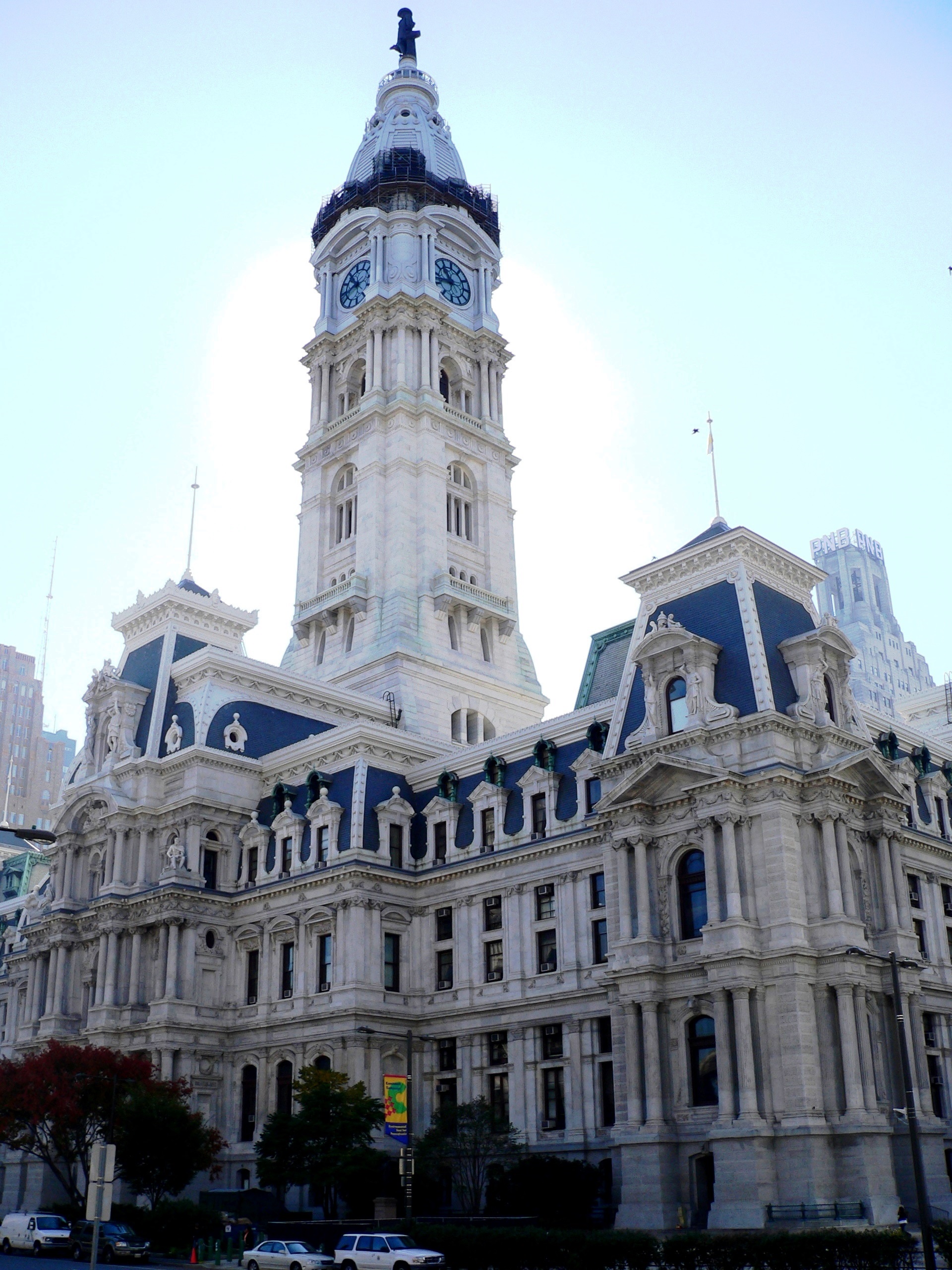
The biggest piece of Second Amendment news this week landed Tuesday, June 9, when the Justice Department opened an investigation into whether the Philadelphia Police Department uses a vague “good cause” standard to revoke carry permits. Philadelphia is the one place in Pennsylvania where you need a license to carry openly, and the department holds broad authority to yank those licenses.
Assistant Attorney General Harmeet Dhillon framed it as a discretion problem: “It is a violation of the Second Amendment for government officials to use vague, personal discretion when determining whether to issue or revoke permits to carry firearms.” That language tracks Bruen, the 2022 ruling that killed “may issue” permitting. The probe runs through the same DOJ Second Amendment Section now driving federal gun-rights enforcement — the unit we’ve watched move from press releases to actual cases.
2. Florida’s Three-Day Waiting Period Collapses
On Friday, June 5, the parties in the NRA’s challenge to Florida’s firearm waiting period jointly filed an Offer of Judgment asking a federal court to declare the law unconstitutional and permanently block it. The remarkable part: the defendants agreed. Attorney General James Uthmeier, the state’s law enforcement commissioner, and 20 state attorneys all conceded that the three-day wait violates the Second Amendment, per the NRA-ILA filing in Dunn v. Glass.
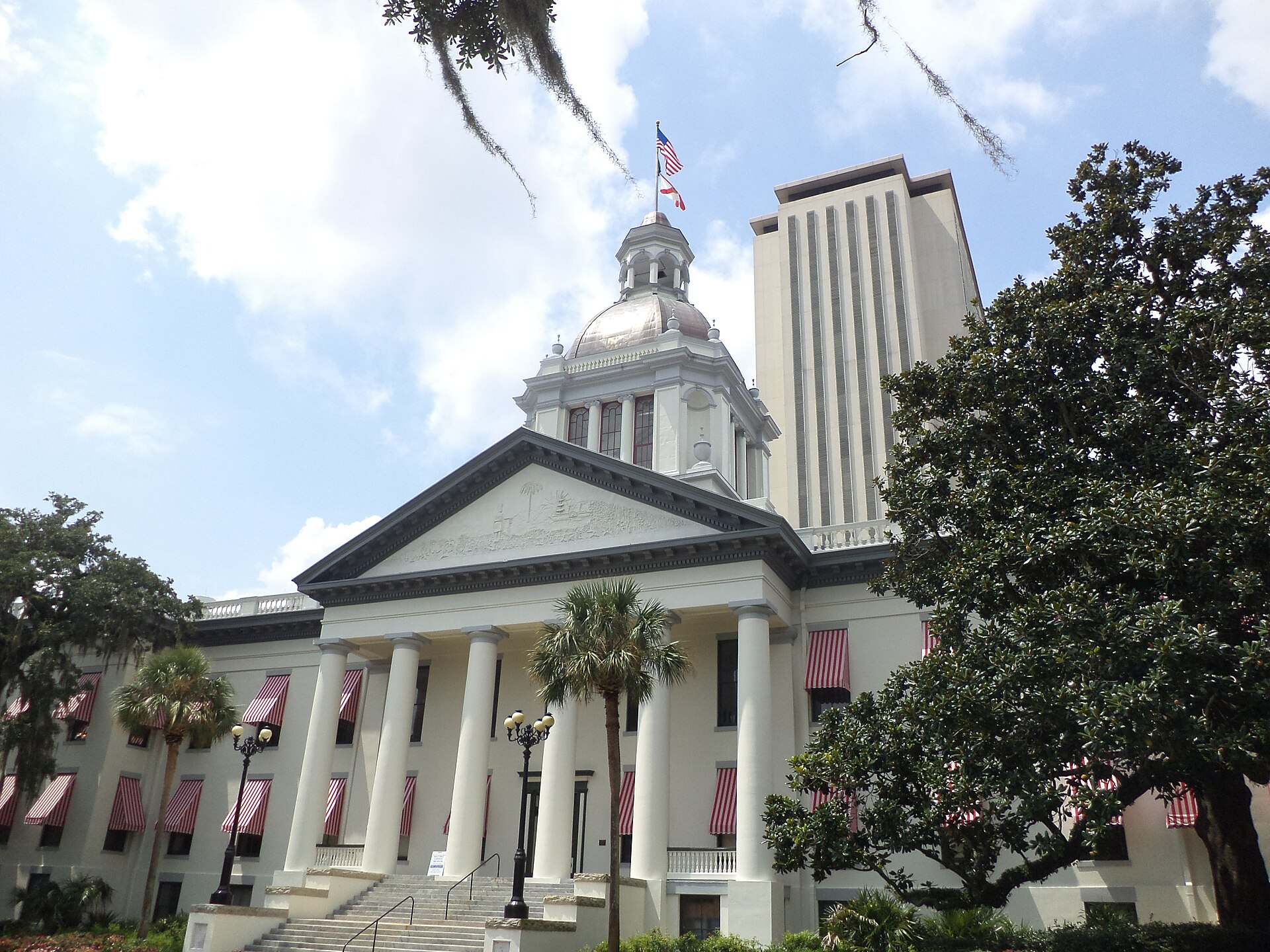
Florida voters wrote the three-day handgun wait into the state constitution in 1990, and the legislature stretched it to all firearms in 2018. A sitting attorney general declining to defend a law his own state enacted is rare — and it signals how far the legal ground has shifted under historical-tradition analysis. When the people enforcing a gun control law won’t argue it’s constitutional, that law is finished.
3. Supreme Court Second Amendment News: One Ruling Away From Reshaping Carry
No piece of Second Amendment news carries more weight than the two opinions the Supreme Court is expected to hand down before the end of June. Wolford v. Lopez asks whether a state can flip the default on private property open to the public — forcing licensed carriers to get express owner permission before entering a shop or restaurant armed. United States v. Hemani tests whether the government can permanently strip gun rights from someone who uses a controlled substance.

A ruling against Hawaii in Wolford would ripple straight into California, Maryland, New Jersey, and New York, all of which passed copycat “sensitive places” laws after Bruen. We mapped these fights in our 2026 Second Amendment controversies breakdown; the decisions land any day now.
4. Blue-State Second Amendment News: New York and Pennsylvania Push Back
The week’s Second Amendment news wasn’t all good. On June 3, the New York Senate passed S.9883A, a three-day waiting period on the transfer of all pistols, shotguns, and rifles — the mirror image of the Florida law just collapsing in court. The legislature then recessed for the year after layering on additional gun control. In Pennsylvania, House Democrats moved a safe-storage mandate through the Judiciary Committee on June 8 that would require Keystone gun owners to keep firearms locked up or face penalties.
These moves matter less for what they accomplish and more for what they tee up. Every new blue-state restriction built on the same theory the DOJ and the courts are now dismantling becomes the next lawsuit. States are manufacturing their own legal targets — the same dynamic behind the anti-PLCAA playbook we covered.
5. Virginia Court Reaffirms Block on Private-Sale Ban
Rounding out the Second Amendment news of the week, a Virginia court on June 8 reiterated its injunction against the state’s private-sale background-check ban, even as anti-gun lawmakers publicly misrepresented what the order does. The case — brought by the Virginia Citizens Defense League, Gun Owners of America, and individual plaintiffs — keeps private firearm transfers legal in the commonwealth while litigation continues.
It’s a smaller story than a Supreme Court term or a federal probe, but it’s the kind that decides whether an ordinary sale between two law-abiding neighbors is a crime. State courts are doing real work this term, and Virginia is worth watching as its broader semi-auto ban heads toward a July 1 effective date.
What This Week’s Second Amendment News Adds Up To
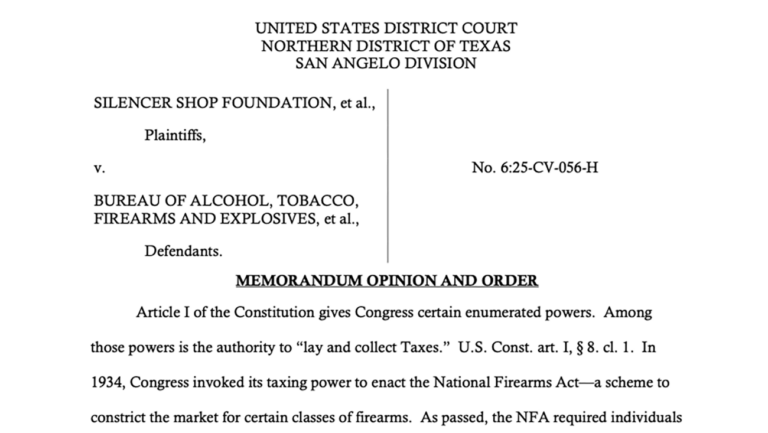
String these five together and a pattern emerges. The federal government is now an offensive player for gun owners — investigating cities, suing states, and backing the litigation that used to fall entirely on donation-funded groups. We saw the opening salvo when the DOJ sued Denver and Colorado earlier this spring, and the Philadelphia probe is the next beat in that rhythm. Meanwhile the deregulation wave continues on the NFA side, where suppressor ownership got dramatically easier and our friends at PopularSuppressors are marking the moment with the 100 Days of Silence giveaway.
The blue-state restrictions are real and they cost real people real money and freedom. But they’re being passed into a legal environment that’s more hostile to them than at any point since Heller. That’s the throughline in this week’s Second Amendment news: the offense and the defense have traded sides.
Frequently Asked Questions
What is the biggest Second Amendment news this week?
The Justice Department’s June 9 civil-rights investigation into Philadelphia Police permit revocations is the headline item, because it’s the federal government using the DOJ Second Amendment Section to police a city’s discretionary carry-permit practices under the Bruen standard.
Why won’t Florida’s attorney general defend the waiting period?
In the NRA’s Dunn v. Glass challenge, Attorney General James Uthmeier and 20 state attorneys agreed the three-day waiting period can’t survive the historical-tradition test the Supreme Court requires, so they filed a joint Offer of Judgment asking the court to strike it down rather than defend it.
When will the Supreme Court rule on Wolford v. Lopez?
The Court is expected to issue its Wolford v. Lopez and United States v. Hemani decisions before the end of June 2026, as the term closes.
Are any states still expanding gun control in 2026?
Yes. New York passed a new waiting-period bill on June 3 and added further restrictions before recessing, and Pennsylvania House Democrats advanced a safe-storage mandate on June 8. These remain the exception to a year otherwise trending toward deregulation.
More Gun Rights Coverage from Freedom’s Lodge
- DOJ Gun Lawsuits: Why the Feds Just Took Denver and Colorado to Court
- DOJ Second Amendment Rights Section: What It Means
- Wolford v. Lopez: How the Case Reshapes Concealed Carry Laws
- Second Amendment Controversies in 2026: The 3 Biggest Fights
- The Anti-PLCAA Playbook: How 11 States Are Routing Around Federal Law
Related: In-N-Out Shooting: How Two Armed Citizens Stopped the Twin Falls Gunman.
Reader Favorites
- Hot Take: Viridian V-Series Long-Range Illuminators
- Officer Justifiably Shoots Good Guy: Lessons For Armed Citizens
- Be Your Own AR-15 Armorer With This Kit
- Mossberg Celebrates Century With New CCW Pistol
- CCW Central: Check Out Concealed Carry Expo this May in Pittsburgh
- Free Self-Defense Videos From Viridian Weapon Tech
Gun-owner reference desk
Plain-English references worth bookmarking — NFA rules, carry law, and the gear terms behind every review.
| 2026 at a glance | |
|---|---|
| NFA tax stamp | $0 |
| Permitless carry | 29 states |
| Suppressors legal | 42 states |
50+ NFA, carry and gun-law terms in plain English, updated for 2026.
Open the glossary → Network| Term | Category |
|---|---|
| Striker-fired | Action |
| MOA | Optics |
| Twist rate | Ballistics |
30 gun, ammo and optics terms, from Guns & Gadgets Daily.
View full chart →