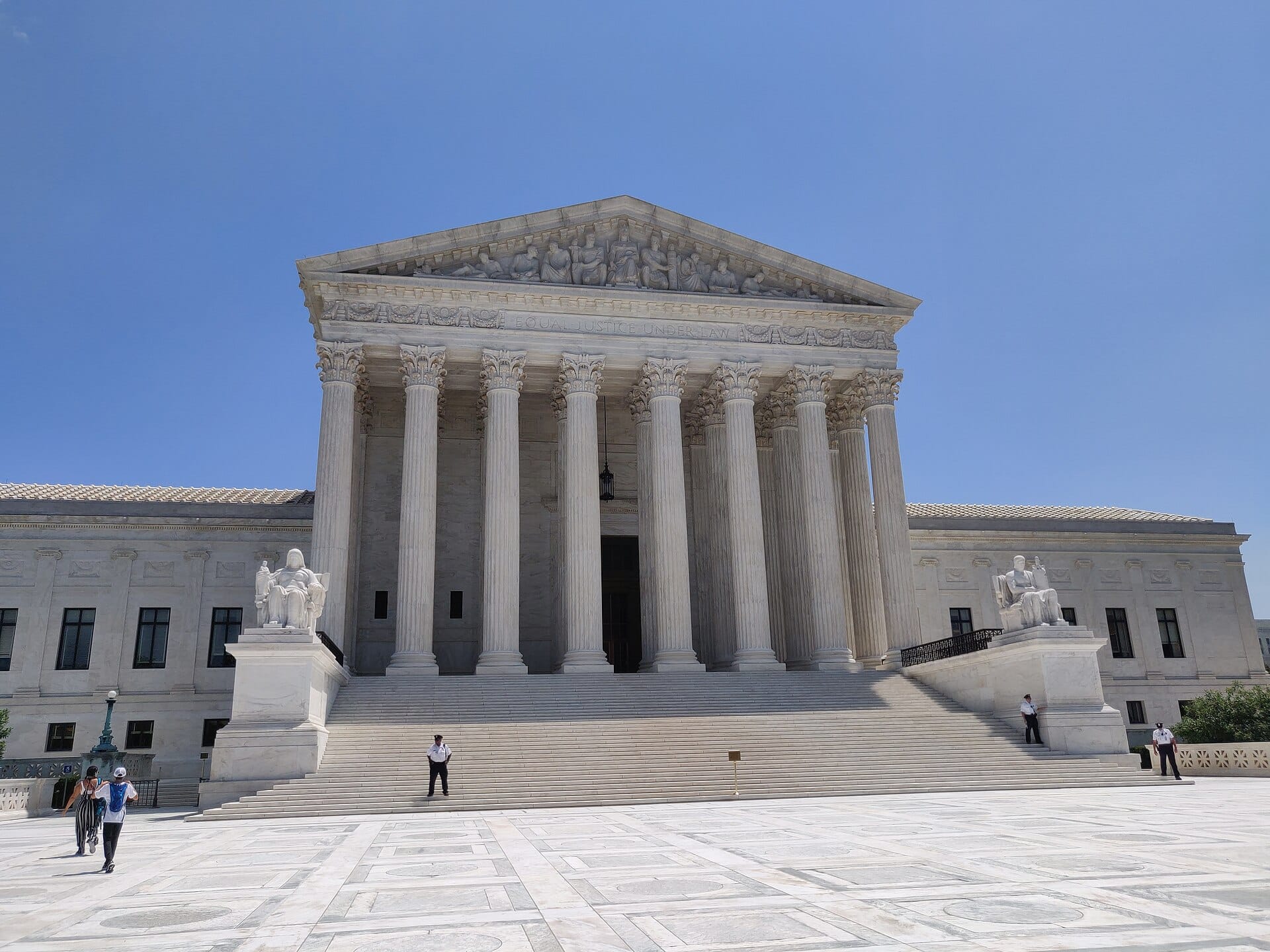
Supreme Court Gun Ruling: Justices Side With Drug User in United States v. Hemani
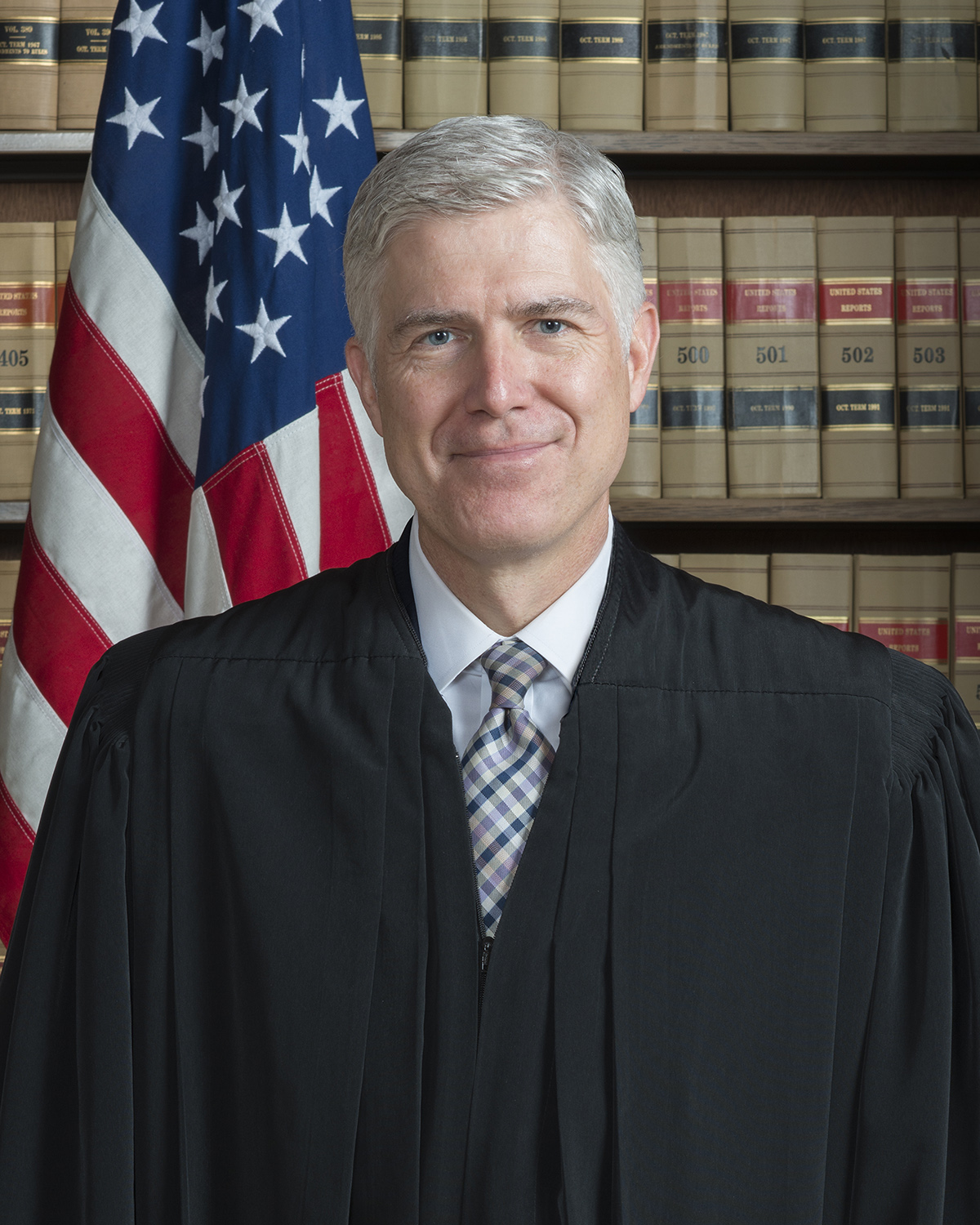
The Supreme Court gun ruling that gun owners have waited months for landed Thursday, June 18, and it broke the right way. In United States v. Hemani, the justices unanimously sided with a Texas man the federal government tried to imprison for owning a pistol while using marijuana. Writing for the Court, Justice Neil Gorsuch held that automatically stripping someone of his Second Amendment rights based only on drug use can’t square with the Constitution. It’s the most consequential Second Amendment decision of the term so far — and it narrows one of the federal government’s favorite tools for disarming peaceable Americans.
Last updated: September 30, 2026 · Originally published June 18, 2026
What the Supreme Court Gun Ruling Actually Held
The case turned on 18 U.S.C. §922(g)(3), the federal statute that makes it a felony for any “unlawful user of or addicted to any controlled substance” to possess a firearm. A knowing violation carries up to 15 years in prison. The Court did not throw the entire statute out. Instead, it ruled that the law is unconstitutional as applied to Ali Danial Hemani — that the government cannot, in Gorsuch’s words, “automatically strip Mr. Hemani of his Second Amendment right to possess a firearm” and imprison him based only on a showing that he “regularly uses any amount of any controlled substance.”
That distinction matters. This Supreme Court gun ruling is narrow by design. It does not bless gun possession by people actively intoxicated or dangerous, and it leaves §922(g)(3) standing on the books. What it kills is the government’s theory that habitual use alone — with no showing that someone was impaired when he held the gun — is enough to send a citizen to federal prison.


How Ali Hemani’s Case Reached the Court
In 2022, FBI agents searched Hemani’s home and found a Glock 19, roughly 60 grams of marijuana, and a small amount of cocaine. Hemani admitted he used marijuana about every other day. On that admission alone, prosecutors charged him under §922(g)(3).
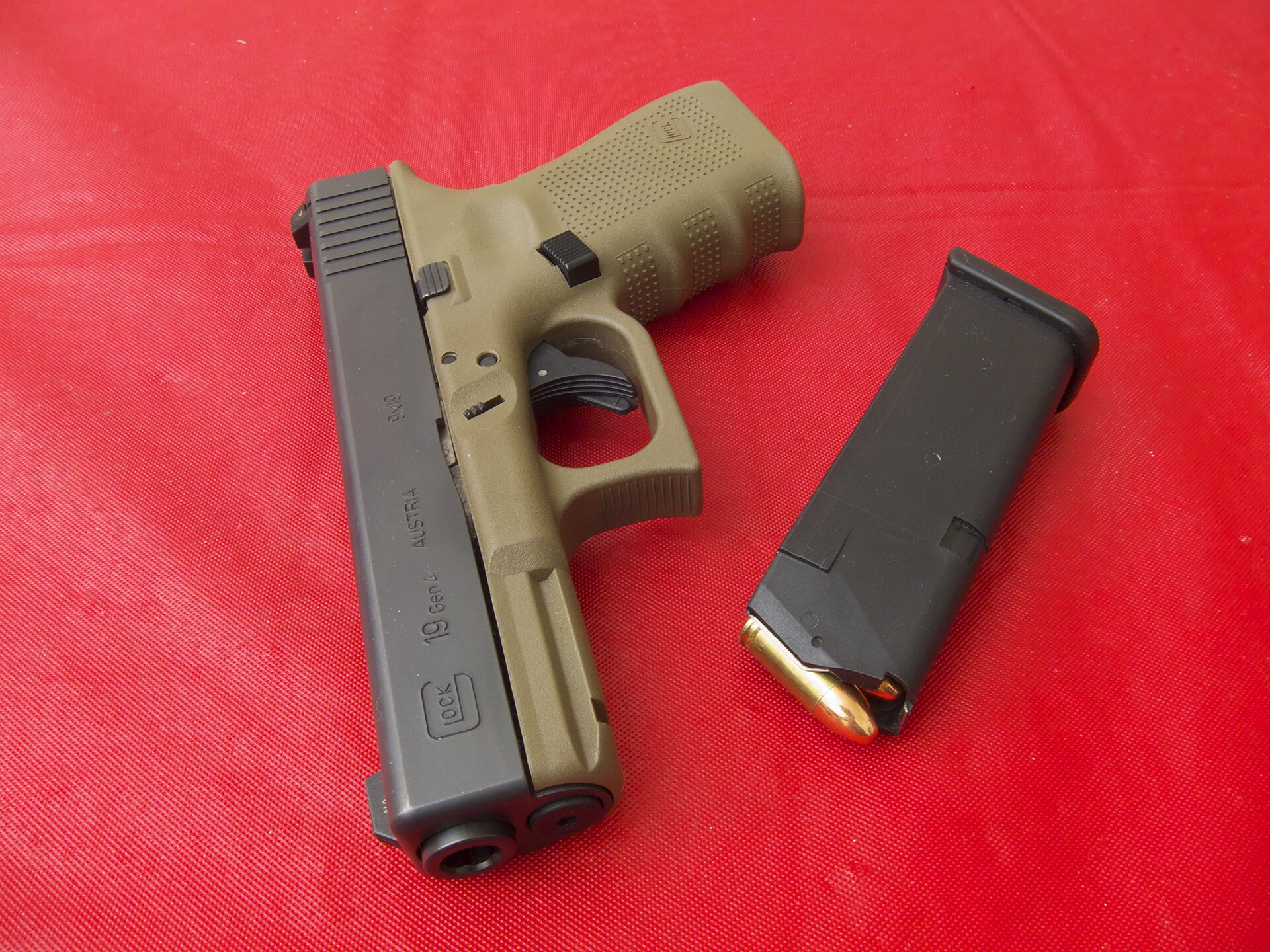
U.S. District Judge Amos Mazzant dismissed the charge, relying on a Fifth Circuit decision holding the statute unconstitutional when used against a habitual user who wasn’t shown to be under the influence at the time he possessed the firearm. The Fifth Circuit affirmed. Even the federal government agreed the dismissal should stand — yet the Supreme Court took the case anyway and, on Thursday, upheld the dismissal. Gorsuch concluded the early-American laws the government leaned on “targeted different kinds of people, did so for different reasons, and operated in different ways” than the modern drug-user ban.
The Same Statute That Snared Hunter Biden
If §922(g)(3) sounds familiar, that’s because it’s the same drug-user gun statute under which Hunter Biden was convicted in 2024 before his pardon. The provision sweeps broadly: with marijuana now legal in some form in most states but still federally prohibited, millions of otherwise law-abiding Americans technically fall inside its reach. This Supreme Court gun ruling doesn’t erase that tension overnight, but it tells lower courts the government needs far more than a marijuana habit to justify a felony conviction and a 15-year exposure.
The Concurrences Signal Bigger Fights Ahead
Although every justice agreed Hemani’s conviction was improper, the Court splintered on the reasoning, and those splits preview the next round of Second Amendment litigation.
Justice Clarence Thomas wrote separately to argue the statute fails for a deeper reason — that Congress lacks the power to regulate firearm possession merely because a gun once crossed state lines. Justice Ketanji Brown Jackson, joined by Justice Sonia Sotomayor, used her concurrence to attack the Bruen framework itself, calling its history-and-tradition test “unworkable” and prone to “inconsistent and arbitrary application.” Justice Samuel Alito, joined by Justice Elena Kagan, concurred only in the judgment, faulting the government for failing to show a marijuana user is incapacitated like the “habitual drunkards” its historical analogues actually targeted.
Read together, the opinions show a Court united on the result but still arguing over the method — which means the how of Second Amendment analysis remains very much in play.
Why This Supreme Court Gun Ruling Matters Beyond One Man
Hemani is the second major shoe gun owners were watching this term. The other, Wolford v. Lopez — the Hawaii carry-on-private-property case — is still pending and could land any day. We flagged both as the term’s biggest fights in our weekly Second Amendment news roundup, and now the first of the two has resolved in favor of the individual right.
The decision also fits the larger pattern we’ve tracked all spring. The DOJ is suing cities and states over gun bans, its Second Amendment Section is investigating permit abuses, and now the high court has trimmed a federal disarmament statute. The momentum, for the moment, runs one direction. On the deregulation side, suppressor ownership keeps getting easier, and PopularSuppressors is marking the shift with its 100 Days of Silence giveaway.
The caution worth keeping: this was an as-applied win, not a clean kill of §922(g)(3). Prosecutors can still pursue cases where a defendant was genuinely impaired or dangerous. But after this Supreme Court gun ruling, “he smokes weed” is no longer a constitutional shortcut to a federal gun conviction.
Frequently Asked Questions
What did the Supreme Court gun ruling in United States v. Hemani decide?
On June 18, 2026, the Court unanimously ruled that 18 U.S.C. §922(g)(3), the federal ban on gun possession by drug users, is unconstitutional as applied to Ali Hemani. The government could not strip his Second Amendment rights based only on regular marijuana use, without showing he was impaired or dangerous when he possessed the firearm.
Did the Supreme Court gun ruling strike down the drug-user gun ban entirely?
No. The Court issued a narrow as-applied ruling. The statute remains on the books and can still be enforced against defendants shown to be actively intoxicated or dangerous; the Court rejected only the theory that habitual use by itself justifies a felony conviction.
Who wrote the opinion?
Justice Neil Gorsuch wrote for the Court. Justices Thomas, Jackson (joined by Sotomayor), and Alito (joined by Kagan) each filed separate concurring opinions, agreeing on the result but differing on the reasoning.
Is this the same law Hunter Biden was convicted under?
Yes. Hunter Biden was convicted in 2024 under §922(g)(3), the same drug-user firearm statute at issue in Hemani, before he was pardoned.
More Gun Rights Coverage from Freedom’s Lodge
- Wolford v. Lopez: How the Case Reshapes Concealed Carry Laws
- Second Amendment News: The Top 5 Gun Rights Stories of the Week
- DOJ Gun Lawsuits: Why the Feds Just Took Denver and Colorado to Court
- DOJ Second Amendment Rights Section: What It Means
- Second Amendment Controversies in 2026: The 3 Biggest Fights
Related: An armed citizen lawfully stopped the Twin Falls In-N-Out shooting — a real-world case for the right this ruling protects.

Reader Favorites
- Hot Take: Viridian V-Series Long-Range Illuminators
- Officer Justifiably Shoots Good Guy: Lessons For Armed Citizens
- Be Your Own AR-15 Armorer With This Kit
- Mossberg Celebrates Century With New CCW Pistol
- CCW Central: Check Out Concealed Carry Expo this May in Pittsburgh
- Free Self-Defense Videos From Viridian Weapon Tech
Gun-owner reference desk
Plain-English references worth bookmarking — NFA rules, carry law, and the gear terms behind every review.
| 2026 at a glance | |
|---|---|
| NFA tax stamp | $0 |
| Permitless carry | 29 states |
| Suppressors legal | 42 states |
50+ NFA, carry and gun-law terms in plain English, updated for 2026.
Open the glossary → Network| Term | Category |
|---|---|
| Striker-fired | Action |
| MOA | Optics |
| Twist rate | Ballistics |
30 gun, ammo and optics terms, from Guns & Gadgets Daily.
View full chart →