Concealed Carry Tips: 8 Habits for Everyday Readiness
The best concealed carry tips are not tricks — they are habits that make you safer, more discreet, and more effective every single day you carry. The armed citizens who stopped the Twin Falls In-N-Out gunman did the fundamentals right: they were carrying, they had trained, and they stayed aware. You can build the same readiness. Carrying a firearm is both a fundamental right and a serious responsibility — the carriers who stop attacks treat it as both.
Last updated: August 7, 2026 · Originally published August 6, 2026
Updated August 2026 · By James Nicholas
Here are the concealed carry tips that matter most, from gear and dress to training and mindset.
Key Takeaways
- Carry consistently: The gun that saves you is the one you actually have on.
- Gear it right: A quality holster and a stiff gun belt make all-day carry comfortable and safe.
- Train beyond the minimum: Dry fire often; practice the draw and safe reholster.
- Stay aware: Situational awareness buys you the time to avoid or respond.
- Cover the legal side: Know your laws and consider CCW insurance.
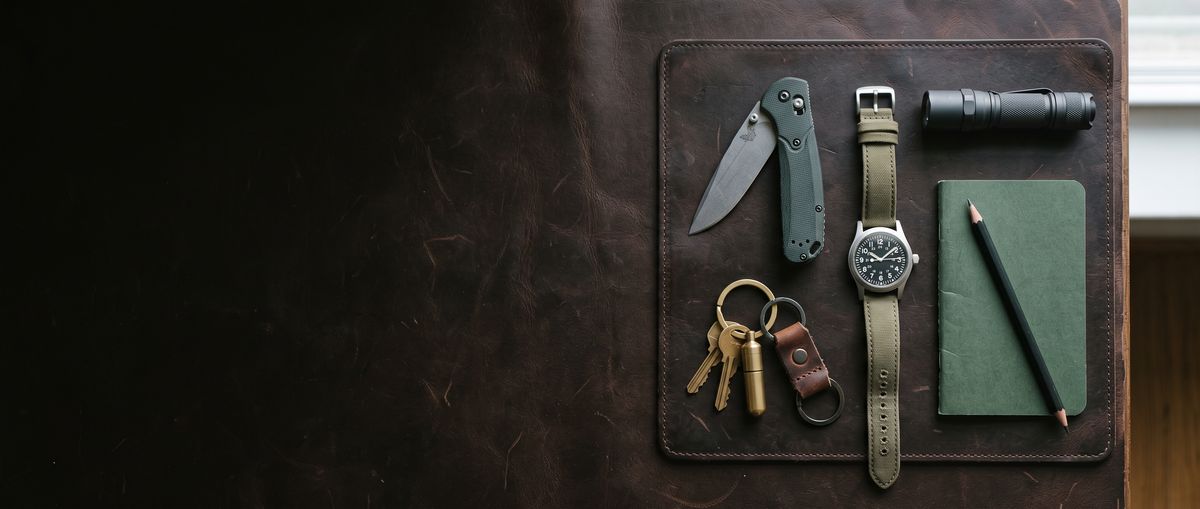

Concealed Carry Tips for Everyday Readiness

1. Carry Consistently
The most important of all concealed carry tips: actually carry. Threats do not schedule themselves for the days you feel like being armed. Build a routine so the gun goes on with your keys and wallet, every day.
2. Buy a Quality Holster and Gun Belt
A good holster covers the trigger guard completely, holds the gun in the same place every time, and stays comfortable for hours. Pair it with a stiff gun belt — a floppy dress belt lets the gun sag and print. This single upgrade fixes most comfort complaints. For gear picks from across our network, see PopularEDC’s EDC belt buyer’s guide and CrossBreed SuperTuck holster review.
3. Dress Around the Gun
Concealment is a system of gun, holster, belt, and clothing. Slightly looser shirts, darker patterns, and the right ride height hide a pistol far better than baggy clothes alone. Choose a gun sized to how you dress — see our best concealed carry handguns and pocket pistol picks.
4. Train the Draw and the Reholster
Smooth beats fast. Practice a clean draw from concealment and, just as important, a slow and deliberate reholster — most negligent discharges happen on the way back into the holster. Regular dry fire at home builds this at almost no cost.
5. Build Situational Awareness
Keep your head up and your phone down in parking lots, entrances, and other transitional spaces where many attacks begin. Note the exits, watch for behavior that does not fit, and trust your instincts. Awareness is the concealed carry tip that prevents fights you would otherwise have to win.
6. Know the Law and Carry Coverage
Understand where you can and cannot carry, and how self-defense law works in your state — start with our Idaho gun laws guide and constitutional carry states list. Then protect yourself financially with the right CCW insurance.
7. Choose Reliable Defensive Ammo
Carry quality hollow-point defensive ammunition, and run at least a box or two through your carry gun to confirm it feeds and fires reliably. Reliability comes before any other consideration.
8. Prioritize Mindset and De-escalation
The goal of carrying is to protect life, not to win confrontations. Avoid, de-escalate, and leave whenever you can. A defensive firearm is a last resort, and the calmest person in the room usually has the most options.
Frequently Asked Questions
What is the most important concealed carry tip?
Carry consistently. The most capable pistol does nothing if it is left at home, so build a daily routine that puts the gun on every time you go out.
How do I conceal a gun without printing?
Use a quality holster and a stiff gun belt, dress slightly looser, and pick a gun sized to your wardrobe. Concealment is a full system, not just the pistol.
How often should I train for concealed carry?
Dry fire weekly and get to the range at least monthly. Practice the draw from concealment and safe reholstering, not just standing marksmanship.
Do I need concealed carry insurance?
It is strongly worth considering. A justified defensive shooting can still bring major legal costs, and CCW insurance helps cover criminal and civil defense.
▶ Watch: Appendix Carry Lesson with Rob Pincus — Rob Pincus, via YouTube
More Second Amendment Coverage from Freedom’s Lodge
- Best Concealed Carry Handguns for 2026
- How to Survive an Active Shooter
- CCW Insurance: Legal Protection for Armed Citizens
- Idaho Gun Laws & Constitutional Carry
- In-N-Out Shooting: How Two Armed Citizens Stopped the Twin Falls Gunman

About the Author — James Nicholas
James Nicholas is a firearms and Second Amendment writer for Freedom’s Lodge, covering concealed carry, gun rights, and self-defense for law-abiding Americans. He curates and compares gear, law, and news from manufacturer data, official sources, and the consensus of experienced shooters.

Reader Favorites
- Virginia’s Gun-Hating Governor vs. Virginia
- Los Angeles Gun-Grabbers Confused, Terrified by Bill of Rights
- Why Do Anti-Gunners Love Red Flag Laws So Much?
- Gun Companies Fight to End COVID-19; Gun Grabbers Fight to End THEM
- Sunshine State Showdown: “No Guns Under 21” Law Challenge Moves Forward
- Anti-Gun Organizations: America’s New Welfare Queens
Gun-owner reference desk
Plain-English references worth bookmarking — NFA rules, carry law, and the gear terms behind every review.
| 2026 at a glance | |
|---|---|
| NFA tax stamp | $0 |
| Permitless carry | 29 states |
| Suppressors legal | 42 states |
50+ NFA, carry and gun-law terms in plain English, updated for 2026.
Open the glossary → Network| Term | Category |
|---|---|
| Striker-fired | Action |
| MOA | Optics |
| Twist rate | Ballistics |
30 gun, ammo and optics terms, from Guns & Gadgets Daily.
View full chart →