Does Renters Insurance Cover Guns?
Does renters insurance cover guns? Yes, as personal property, but most policies cap gun theft at $2,500 total unless you add coverage.
Last updated: November 22, 2026 · Originally published November 19, 2026
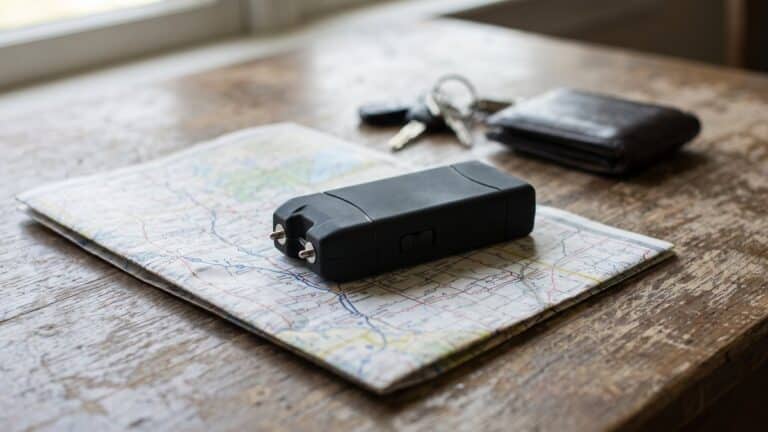
Renters insurance is the policy that covers your stuff and your liability when you do not own the building, and to the insurance company a rifle is personal property, the same as a couch or a laptop. Fire, smoke, burst pipes and burglary are the usual covered losses. The catch sits in a section called special limits of liability, where the standard homeowners and renters forms put a $2,500 ceiling on theft of firearms and related equipment. That is not per gun. That is the whole safe.
Here is why that matters. Plenty of apartment renters own a pistol, a deer rifle and a shotgun they inherited, and almost none of them have read page six of their policy. Three guns, a red dot and a couple cases of ammo can blow past $2,500 without trying.
Renters Insurance and Guns at a Glance
- Covered: guns as personal property against fire, theft, smoke and other named perils.
- Theft cap: often $2,500 total for firearms and related equipment.
- Raise it: schedule each gun, add blanket coverage, or buy a separate collection policy.
- Liability: accidents yes; self-defense only if it fits the reasonable-force exception.
- Not covered: flood, earthquake, neglect, business use and a roommate’s guns.

What a Standard Renters Policy Covers
A renters policy has two halves that matter to a gun owner. Personal property coverage pays to repair or replace your things after a covered loss, and liability coverage pays if you accidentally hurt someone or damage their property. Your guns live in the first half. Something you do with them lives in the second.
On the property side, firearms are covered for the same named perils as everything else you own: fire, lightning, windstorm, theft, vandalism, smoke and the water damage from a frozen pipe upstairs. What is not covered is just as standard: flood, earthquake, wear and tear, and damage from your own neglect. Rust from a leaky safe dehumidifier is a maintenance problem, not a claim.
A fire in your unit is the easy case. The insurer pays for the guns up to your personal property limit, minus your deductible, at either actual cash value or replacement cost depending on which one you bought. The theft case is where renters get surprised.
The $2,500 Theft Limit
The special limits section of the standard homeowners form, which most renters policies copy word for word, reads “$2,500 for loss by theft of firearms and related equipment.” Related equipment means your scopes, mounts, holsters and magazines can all count against the same number.
So what does that look like in real money? If a burglar takes a $700 pistol, a $1,400 rifle with a $600 scope and a $500 shotgun, you are out $3,200 and the policy stops at $2,500 before the deductible even comes off. Some carriers set the limit lower, some higher, and a few write it per item, so read your own declarations page instead of trusting my number.
How you raise that cap is the choice that decides most of this, and there are three ways to do it.
| Option | How it works | Best for |
|---|---|---|
| Standard renters policy | Guns covered as personal property; theft capped, often at $2,500 total | One or two guns worth less than the limit |
| Scheduled firearms endorsement | Each gun listed with its value, usually needs receipts or an appraisal; often covers loss anywhere and drops the deductible | A few valuable guns, optics or heirlooms |
| Blanket firearms coverage | Raises the theft limit for all guns without listing each one | A growing collection of everyday guns |
| Separate gun collection policy | Stand-alone policy written just for firearms, often from a firearms association or specialty carrier | Large collections, NFA items, competition gear |
Scheduling costs an extra premium, and the price depends on the carrier, your state and what the guns are worth. Ask for the quote in writing and ask whether scheduled guns are covered off premises, at the range and in your truck.

Guns in Your Car or at the Range
Your renters policy follows your property off premises, but usually only for a slice of your personal property limit, often around 10 percent. A rifle stolen out of your truck at the trailhead is a theft of firearms, so the special limit still applies on top of the off-premises cap.
Theft from a vehicle is also the most common way guns walk off in a lot of cities, and some policies want signs of forced entry before they pay. Lock it, cover it, and take it inside when you can. If you drive across state lines with a gun, the law side of that trip is in my rundown of gun laws while traveling by car.
Liability, Accidents and Self-Defense
The liability half of a renters policy covers accidents. If a gun goes off while you are cleaning it and the round goes through the wall into your neighbor’s TV, that is the kind of claim liability coverage is built for.
Intentional acts are another story. The standard form excludes bodily injury “expected or intended” by an insured, then carves out an exception for “the use of reasonable force by an insured to protect persons or property.” Whether a self-defense shooting fits that exception is decided after the fact, by your carrier, using your state’s law, and often after a police investigation and maybe a grand jury. Expect to be interviewed, expect your gun to be held as evidence, and expect the claim to wait on the criminal side.
That is why some people stop at renters insurance and some add self-defense coverage on top. The case for stopping is cost and the reasonable-force exception. The case for adding it is that a renters policy pays for damages, not your criminal defense lawyer. I compared the main options in our guide to CCW insurance plans, and either choice is legal and sensible depending on how you carry.
What Is Not Covered
- Guns you sell or trade as a side business. Business property and business activity are excluded on most personal policies; see our walk-through on how to sell a gun legally before you start doing it regularly.
- Loss from flood or earthquake, unless you bought that coverage separately.
- Mysterious disappearance on some forms, meaning you just cannot find it.
- Damage from neglect, rust or a botched home gunsmithing job.
- A roommate’s guns. Most renters policies cover only the named insured and relatives living with them.
How to Make Sure a Claim Gets Paid
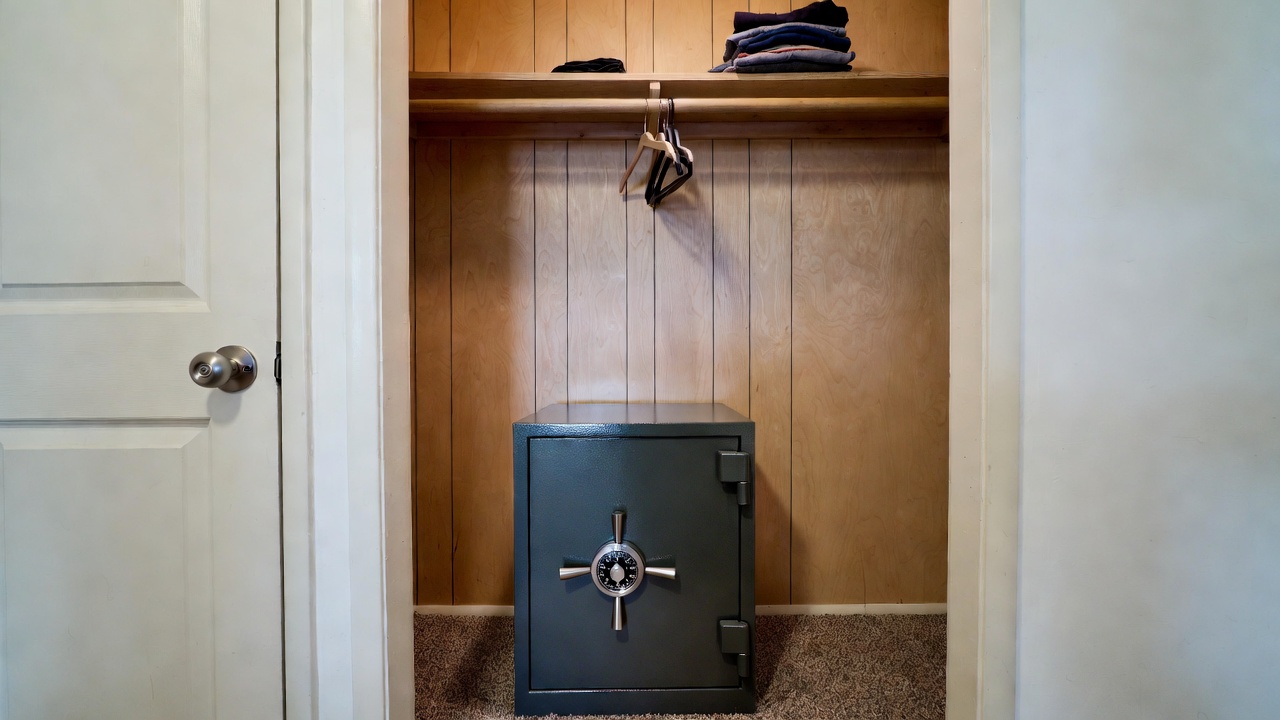
Write down the make, model, serial number and what you paid for every gun, take photos, and keep receipts in a cloud folder. Police want serial numbers for a theft report, and the insurer wants them for the claim. A safe also matters: some carriers give a discount for one, and a locked safe bolted to the floor is a lot harder to carry out the door than a hard case under the bed. If you are shopping for one, our sister site broke down the best gun safe for what you own.
Last, tell your agent what you own. Some landlords and leases restrict firearms, but your insurer cannot pay for something it does not know the value of. A five-minute call now beats arguing over a rifle’s value after it is gone.
Renters insurance covers your guns, just not as much of them as most people assume. Pull out your declarations page, find the firearms line under special limits, and if your guns are worth more than that number, call your agent and schedule them. Have safe and legal travels.
Private sale won: 43% of you who voted have sold a gun to someone you know, a third have never sold one, and 5% sold to a gun store.
Frequently Asked Questions
Does renters insurance cover a stolen gun?
Yes, if theft is a covered peril on your policy, but most policies cap theft of firearms and related equipment at about $2,500 in total. Scheduling or blanket coverage raises that cap.
Do I have to tell my renters insurance that I own guns?
No, not to keep basic coverage on most policies. Telling your agent is the only way to schedule them, and it avoids a fight over value after a theft.
Does renters insurance cover a self-defense shooting?
Sometimes. The standard form excludes intended injury but makes an exception for reasonable force to protect people or property, and the carrier decides whether that fits after reviewing the case under your state’s law.
Are guns stolen from my car covered by renters insurance?
Usually, under off-premises coverage, which is often a smaller share of your personal property limit. The firearms theft limit still applies.
Is a separate gun insurance policy worth it?
For a collection worth well over your policy’s firearms limit, often yes. For one or two inexpensive guns, a standard renters policy is usually enough.
Sources: Insurance Journal, Academy Journal: Firearms and the homeowners policy (quoting the ISO HO-3 special limits and the expected or intended injury exclusion); Policygenius, Does homeowners insurance cover guns?
Reader Favorites
- Virginia’s Gun-Hating Governor vs. Virginia
- Los Angeles Gun-Grabbers Confused, Terrified by Bill of Rights
- Guns at Coronavirus Quarantine Protests: Listen For the Loudest Scream
- Supreme Court Second Amendment Cases: Careful What You Wish For
- Has COVID-19 Secured the Second Amendment’s Future?
- Defending the Defensive Blade: New Knife Rights App
Gun-owner reference desk
Plain-English references worth bookmarking — NFA rules, carry law, and the gear terms behind every review.
| 2026 at a glance | |
|---|---|
| NFA tax stamp | $0 |
| Permitless carry | 29 states |
| Suppressors legal | 42 states |
50+ NFA, carry and gun-law terms in plain English, updated for 2026.
Open the glossary → Network| Term | Category |
|---|---|
| Striker-fired | Action |
| MOA | Optics |
| Twist rate | Ballistics |
30 gun, ammo and optics terms, from Guns & Gadgets Daily.
View full chart →