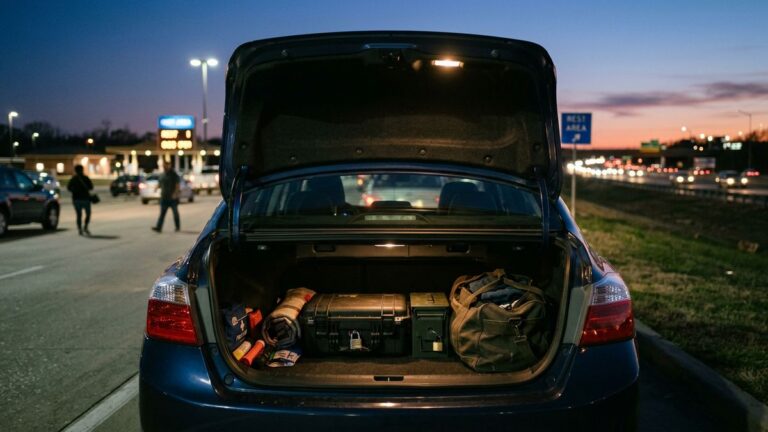
Dallas 2026 is the Rally, the Midterms Decide the Courts

The 2026 midterm election decides who writes the next two years of gun law and who fills the courts. That is the whole argument.
Last updated: October 11, 2026 · Originally published September 10, 2026
This week in Dallas, Republicans are holding something the country almost never sees: a national midterm convention. Presidential years get the balloons and the platform. Midterms usually get local ads and low turnout. A two-night gathering at American Airlines Center, with the sitting president and vice president on the program, is a signal that Republicans are treating November as a governing election, not a rest stop.
If you take the Second Amendment seriously, that matters more than the speeches.
Congress still writes the statutes. The Senate still confirms the judges. The next two years still determine whether pending firearms bills move, stall, or get replaced, and whether the federal bench that will apply Bruen and the coming rifle cases is restocked or frozen.
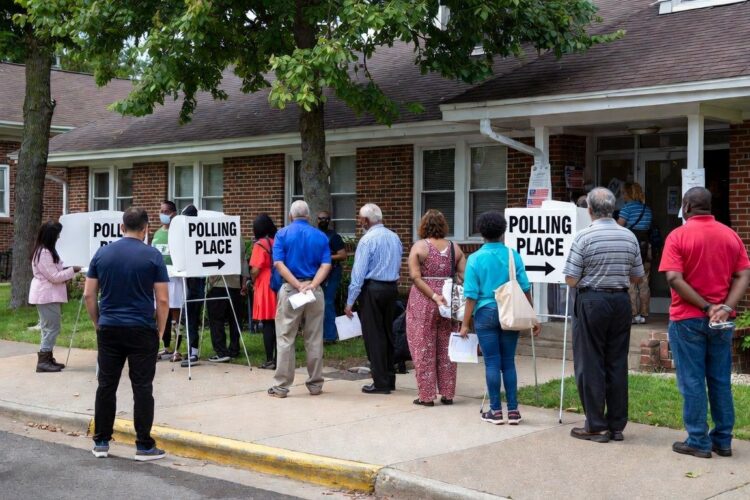
Why midterms are the 2A election most people skip
Presidential years get the energy. Midterms get the policy.
Control of the House decides which gun bills get a hearing and which die in committee. Control of the Senate decides whether a president can put lifetime judges on district courts, circuit courts, and, if a seat opens, the Supreme Court. Split government usually means fewer new national gun laws of either kind. Unified government means the opposite.
That is not theory. After 2022’s New York State Rifle & Pistol Association v. Bruen, the live fights moved to state “assault weapon” bans, magazine limits, carry rules, ATF rulemaking, and the National Firearms Act. The Supreme Court has already agreed to hear challenges to semiautomatic-rifle bans in Connecticut and the Chicago area. Viramontes v. Cook County and Grant v. Higgins are consolidated for one hour of argument on December 2, 2026, and a decision is expected by the end of June 2027. Those cases will be argued on a docket that does not care who skipped the midterm.
What the Court does with those cases is only half the story. The other half is the pipeline: who sits on the courts of appeals that will apply the ruling, who sits on the district courts that will hear the next wave of challenges, and whether a future vacancy on the Supreme Court can be filled.
Senate control is the on/off switch for that pipeline. If the majority flips, confirmations slow or stop. If it holds, they continue. Either way, the judges confirmed in 2027 and 2028 will still be on the bench long after this Congress is gone.
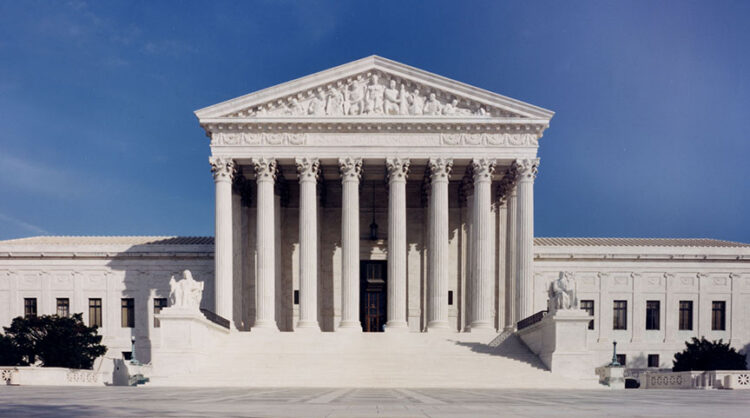


What the next two years can actually change
For gun owners, the near-term stakes are practical:
- Federal legislation. Concealed-carry reciprocity, suppressor and short-barreled-rifle policy, ATF funding, and any new national rifle or magazine bill all live or die in the House and Senate. A one-chamber flip can freeze a whole agenda without a single new statute passing.
- The executive agencies. ATF rules on frames and receivers, stabilization braces, and related definitions have already been in court. Who writes the next round of rules depends on who holds the White House and whether Congress funds, defunds, or reins in the agency.
- The courts. Life-tenured judges will decide the next “in common use” fights, the next sensitive-place cases, and the next challenges to state bans. Midterm Senate results decide how many of those seats get filled before 2029.
- The states. Governors, attorneys general, and legislatures on the same ballot will keep writing the carry and possession rules most people actually live under. Federal 2A doctrine does not erase a state ban overnight.
None of that requires you to like a convention, a candidate, or a party. It only requires noticing that rights are enforced by people who get hired, confirmed, and funded after elections.
The convention is theater. The calendar is not.
A midterm convention is unusual because the party that holds the White House usually tries not to nationalize a midterm. History is rough on the president’s party in the House. Holding a national show in September is an admission that turnout, not vibes, will decide whether the current majorities survive.
Treat that as information, not a rally instruction. The other party will spend the same eight weeks telling its voters that the Court, the agencies, and the gun laws are on the ballot too. Both sides are describing the same machine. They just want different operators.
If you are pro-Second Amendment, the honest version of “vote like your rights depend on it” is narrower than a slogan. Your rights depend on text, history, and courts. The courts depend on who gets confirmed. The statutes depend on who holds the gavel. The gavel depends on who shows up in a low-turnout election that most people treat as optional.
The 2026 midterm election is Tuesday, November 3. All 435 seats in the House are on the ballot, along with 35 Senate seats. November 3 is not optional if you care what the next two years of firearms law look like. Register. Check your state’s deadline. Read the actual records on judges, agency rules, and gun bills, not just the convention stage. Then vote.
Frequently Asked Questions
When is the 2026 midterm election?
Tuesday, November 3, 2026. All 435 seats in the U.S. House are on the ballot, along with 35 Senate seats: 33 on the regular cycle and two special elections. Registration and early voting deadlines are set state by state, not by Congress.
Why does a midterm election matter for gun rights?
Because federal gun law is written and confirmed between presidential elections. The House decides which firearms bills get a hearing and which die in committee. The Senate decides who gets a lifetime seat on the courts that will apply Bruen. Neither job waits for 2028.
When will the Supreme Court hear the semiautomatic-rifle ban cases?
December 2, 2026. Viramontes v. Cook County and Grant v. Higgins are consolidated for one hour of argument, and a decision is expected by the end of June 2027. The midterm does not move that date. It decides who fills the lower courts that will apply the ruling.
Was Dallas the first Republican midterm convention?
Yes. It is the first midterm convention in Republican Party history. The program ran two days, September 9 and 10, 2026, at the American Airlines Center in Dallas, with the president and vice president both on the schedule each night.
The Lodge’s job is to track the statutes, the dockets, and the rulings. Your job is to decide who gets to write the next chapter.
Freedom’s Lodge tracks federal and state Second Amendment litigation daily. The election date, seat counts, convention schedule and court date in this article were verified against Ballotpedia, the Supreme Court’s December 2026 argument calendar and the RNC’s published convention schedule as of September 11, 2026. Schedules change; confirm any date with your state election office or at supremecourt.gov before relying on it.


Reader Favorites
- Virginia’s Gun-Hating Governor vs. Virginia
- Los Angeles Gun-Grabbers Confused, Terrified by Bill of Rights
- Why Do Anti-Gunners Love Red Flag Laws So Much?
- Gun Companies Fight to End COVID-19; Gun Grabbers Fight to End THEM
- Sunshine State Showdown: “No Guns Under 21” Law Challenge Moves Forward
- Guns at Coronavirus Quarantine Protests: Listen For the Loudest Scream
Gun-owner reference desk
Plain-English references worth bookmarking — NFA rules, carry law, and the gear terms behind every review.
| 2026 at a glance | |
|---|---|
| NFA tax stamp | $0 |
| Permitless carry | 29 states |
| Suppressors legal | 42 states |
50+ NFA, carry and gun-law terms in plain English, updated for 2026.
Open the glossary → Network| Term | Category |
|---|---|
| Striker-fired | Action |
| MOA | Optics |
| Twist rate | Ballistics |
30 gun, ammo and optics terms, from Guns & Gadgets Daily.
View full chart →