Can You Hunt With a Suppressor? The Legal Picture, State by State
Hunting with a suppressor is legal in roughly four out of five states, and the map has moved steadily in the hunter’s favor for over a decade.
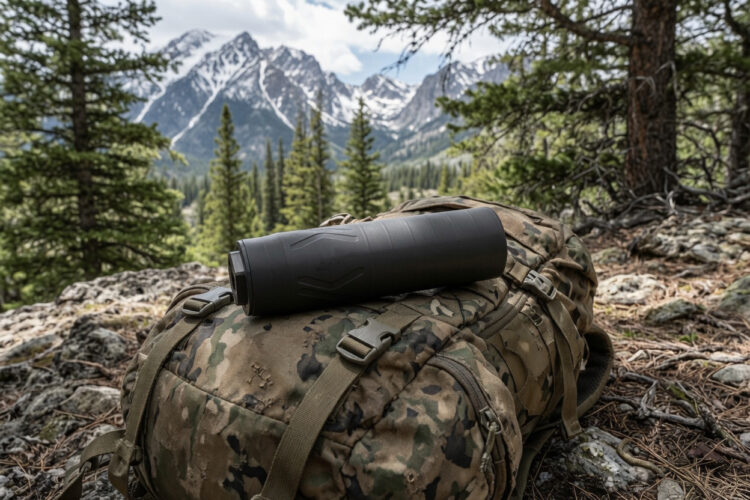
Customers ask me this one at the counter every week: can you hunt with a suppressor? In the large majority of states, yes. Suppressor hunting is legal in roughly four out of five states, and the map has moved steadily in the hunter’s favor for more than a decade. But it is not one question. It is two, and two entirely separate bodies of law answer them: whether you can own a suppressor under federal law, and whether you can hunt with one under your state’s wildlife regulations. Mash those two together (most people do) and you will either talk yourself out of a legal hunt or assume a legal one where your state still says no. Keep them separate and the picture is clear.
As an FFL and 07/02 manufacturer of NFA items, the first layer is my day job; the second one is the part hunters keep getting wrong. So here is the federal ownership layer, the state hunting layer, the myths that muddy both, and the lawful path forward if your state is a holdout. It runs alongside the 100 Days of Silence, presented by Silencer Central, where a new suppressor goes to a reader every day.
The Short Answer
Yes, in most of the country. As of June 2026, the overwhelming majority of states that allow rifle and big-game hunting also allow a suppressor on the hunting rifle. A short list of states prohibit private suppressor ownership outright, which ends the question before it starts. A few more allow ownership but restrict suppressor use during certain hunts or for certain species. Everywhere else, the clear majority, a lawful owner can hunt suppressed. The two layers below are how you confirm it for your own situation.
Layer One: Can You Legally Own a Suppressor?
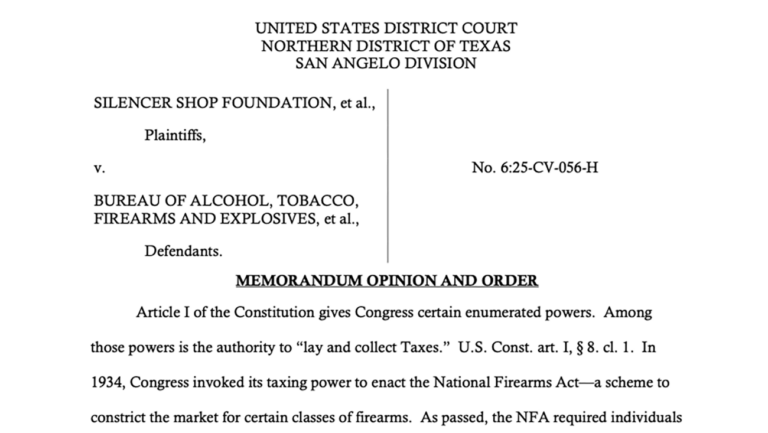
Owning a suppressor is federally legal and has been for nearly a century. Suppressors are regulated under the National Firearms Act of 1934, which means an owner clears a federal transfer process and a background check before taking possession. What changed, and what removed the single biggest barrier owners remember, is cost: the long-standing $200 federal tax that once came with every suppressor purchase was eliminated as of January 1, 2026. The federal application and approval process remains; the federal tax on the purchase does not.
Ownership is prohibited for private citizens in only a short list of states: California, Delaware, Hawaii, Illinois, Massachusetts, New Jersey, New York, Rhode Island, and the District of Columbia. In all forty-two remaining states, a law-abiding adult can own a suppressor. If you live in one of those states, you have cleared the first layer. Now, two practical notes. First, you can hold a suppressor as an individual or through an NFA gun trust, and a trust lets more than one person legally possess the suppressor, which is handy for a hunting family. Second, a licensed dealer handles the federal paperwork and the transfer for you; you are not wandering through the federal process alone. Our partners walk the current process end to end in how to buy a suppressor in 2026, and the state-laws library covers the rules where you live.
Layer Two: Can You Hunt With It in Your State?
This is the layer hunters miss, and it is the one that actually answers the title question. Owning a suppressor and hunting with one are governed by different authorities. Federal law governs the suppressor itself. Hunting regulations are written by each state’s fish and wildlife agency, the same agency that sets your seasons, bag limits, and legal methods of take. So the real question, is it legal to hunt with a suppressor where you live, is answered in your state’s hunting regulations, and it can change by species and by season inside a single state.
Think of the states in three groups. The first and largest group broadly permits suppressor hunting for game animals, big game, small game, and predators alike. The second, smaller group allows it with conditions: legal for some species or seasons and restricted for others, so the regulation has to be read carefully for the hunt you are planning. The third group is the ownership-prohibited states, where the hunting question never comes up because you cannot legally hold the suppressor in the first place. Before you settle the question for a given hunt, the one reliable move is to open your state’s current hunting regulations (not a forum post, not last year’s rules) and confirm suppressor use for the exact animal and season you are after.
The direction of travel is unmistakable. State after state has moved to allow suppressor hunting over the past decade, and the practice has spread with it, reversing older bans as agencies and legislators came around to treating a suppressor as a hearing-protection and noise-courtesy device instead of a threat. National hunting and conservation organizations have lined up behind that shift, and the practical experience of states that opened suppressor hunting (no surge in poaching, real reductions in hearing-damage complaints and noise conflicts) has carried the argument to the next state in line.
Two Myths From the Movies
Two myths do real damage to this conversation, and both come from Hollywood. The first is that a suppressor makes a rifle silent. It does not. A suppressor on a centerfire hunting rifle reduces the report, but the shot is still clearly audible, typically still loud enough to want hearing protection on a high-volume range day, just no longer at the instant, permanent-damage level of an unsuppressed muzzle blast. The second myth is that suppressors are tools of poachers. The opposite is true in practice: suppressors are owned by law-abiding hunters who cleared a federal background check to get one, and states that allow suppressor hunting have not seen the poaching wave the myth predicts. Clearing away both myths is half the battle in any state still debating access.
Why Hunters Choose a Suppressor
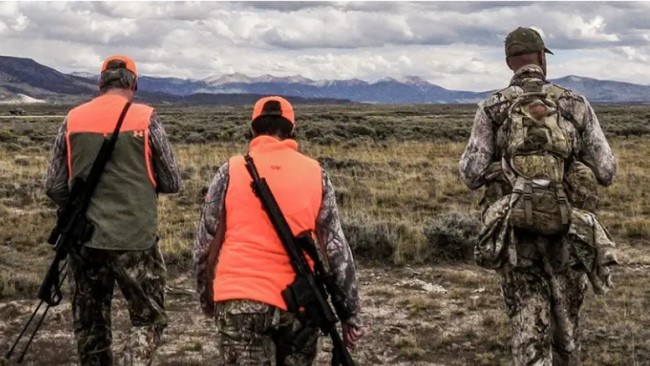
Hunting with a suppressor is not about stealth, whatever the films suggest. It is about three concrete benefits, and they stack. The first is hearing. A rifle muzzle blast routinely tops 160 decibels, and hearing damage from gunfire is cumulative and permanent. A single unprotected shot at a buck can cost you high-frequency hearing for good, which is exactly why hunters so often shoot without ear protection in the field and pay for it later. A suppressor brings the report down toward a level that protects the shooter and everyone else in the blind or the truck. The second benefit is recoil and accuracy: a suppressor measurably cuts felt recoil and muzzle rise, which means steadier follow-through, better shot placement, and cleaner, more ethical kills. The third is courtesy and access: a quieter report is a better neighbor on shared public land and a reason landowners are more willing to allow hunting near homes and livestock. These are the reasons the hunting and conservation community, not just the firearms community, has backed suppressor access.

That hearing-and-recoil case is exactly what a modern hunting suppressor is built to deliver, which is why this guide runs alongside a campaign giving one away. The suppressor on the line is the titanium BANISH 30-V2, rated from .17 HMR up to .300 Weatherby, one can for the deer rifle, the predator gun, and the magnum, with Silencer Central handling the federal paperwork and shipping it to the winner’s door. If you want to go deeper, our network covers the multi-caliber 30-V2 family, the quietest suppressors by chambering, and the complete suppressed hunting setup.
If Your State Says No
If you are in an ownership-prohibited state, or a state that allows ownership but restricts suppressor hunting, the answer is lawful civic engagement, never a workaround that puts your hunting privileges and your freedom on the line. The map has changed precisely because owners and hunters made the case through legitimate channels, and that work is ongoing. The American Suppressor Association tracks suppressor legislation nationwide and runs the state-level campaigns that have flipped much of the map; supporting it puts weight behind the specific bills that open hunting in the next state. The Firearms Policy Coalition and the Second Amendment Foundation litigate and lobby on the broader access questions that sit underneath suppressor rights. And your own state firearms association is the closest and most effective lever to your own legislators, the people who actually write your state’s hunting regulations and ownership law. Contact them, support their suppressor-access work, and contact your representatives directly and respectfully. That is how the map has changed, and how it keeps changing.
Frequently Asked Questions
Can you hunt with a suppressor legally?
In about four out of five states, yes, and the count grows just about every session. Two things have to check out first: federal law lets you own the can, and your state’s hunting regulations let you use it on the species and season you are after.
Do you need a tax stamp to hunt with a suppressor?
Not anymore. The $200 federal tax died on January 1, 2026. You still go through the federal transfer and background check to own the suppressor, but the check you used to write on top of it is gone.
Which states do not allow suppressor hunting?
Nine places never get to the hunting question because you cannot own one there: California, Delaware, Hawaii, Illinois, Massachusetts, New Jersey, New York, Rhode Island, and Washington, D.C. A few more states allow ownership but restrict suppressor use for certain species or seasons, so read your current regulations, not last year’s.
Is it legal to hunt with a suppressor on federal land?
Usually, because federal public land follows the hunting rules of the state it sits in. Check the specific unit, refuge, or forest and the season before you go, since a refuge can carry its own rules on top.
Does a suppressor make a hunting rifle silent?
No, and anyone who has stood next to a suppressed .30-06 will tell you so. It knocks the report down and takes away the instant, hearing-damaging spike of an open muzzle, which is the whole point in the field, but the shot is still plainly audible.
This article is part of the 100 Days of Silence, presented by Silencer Central, a paid sponsorship of PopularSuppressors.com and the Brand Avalanche Media network. Sponsor links are marked. This is general information, not legal advice; verify current federal law and your state’s hunting regulations before you buy or hunt. Silencer Central is the campaign’s anchor sponsor and a federally licensed suppressor dealer; product makers named here are independent companies.
Reader Favorites
- Virginia’s Gun-Hating Governor vs. Virginia
- Los Angeles Gun-Grabbers Confused, Terrified by Bill of Rights
- Why Do Anti-Gunners Love Red Flag Laws So Much?
- Gun Companies Fight to End COVID-19; Gun Grabbers Fight to End THEM
- Sunshine State Showdown: “No Guns Under 21” Law Challenge Moves Forward
- Guns at Coronavirus Quarantine Protests: Listen For the Loudest Scream
Gun-owner reference desk
Plain-English references worth bookmarking — NFA rules, carry law, and the gear terms behind every review.
| 2026 at a glance | |
|---|---|
| NFA tax stamp | $0 |
| Permitless carry | 29 states |
| Suppressors legal | 42 states |
50+ NFA, carry and gun-law terms in plain English, updated for 2026.
Open the glossary → Network| Term | Category |
|---|---|
| Striker-fired | Action |
| MOA | Optics |
| Twist rate | Ballistics |
30 gun, ammo and optics terms, from Guns & Gadgets Daily.
View full chart →